
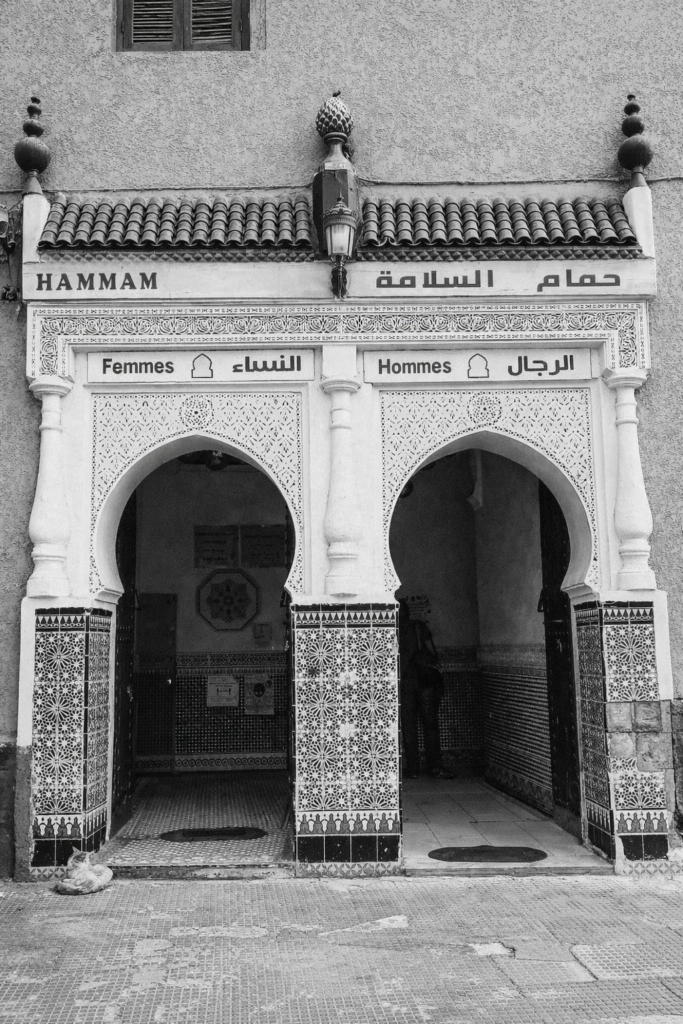
Illustration of a traditional Moroccan hammam entrance
Introduction: A Social Bathing Tradition
The traditional Moroccan hammam has a longstanding place in Moroccan culture. More than a bathhouse, it is a space for washing, social interaction, and preparations for occasions such as weddings and religious celebrations. Although some visitors find the warmth relaxing, this cultural tradition should not be presented as a medical treatment.
Despite the spread of modern wellness centers, the traditional hammam remains strongly present in daily Moroccan life, symbolizing continuity between tradition and modernity.
In this article, we explore the history of the Moroccan hammam, its rituals, benefits, and the reasons behind its lasting importance today.
The Moroccan Hammam: A Historic Heritage
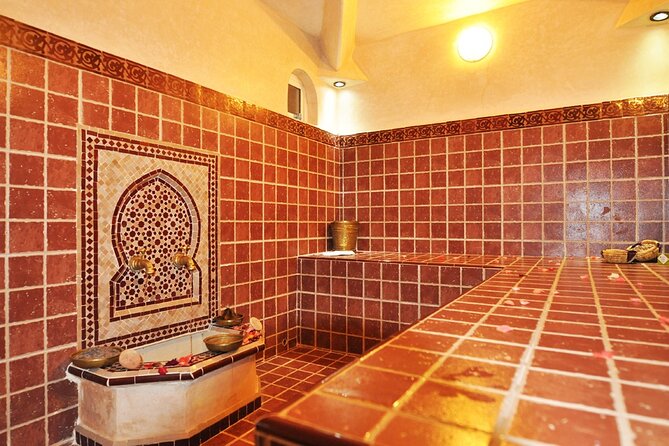
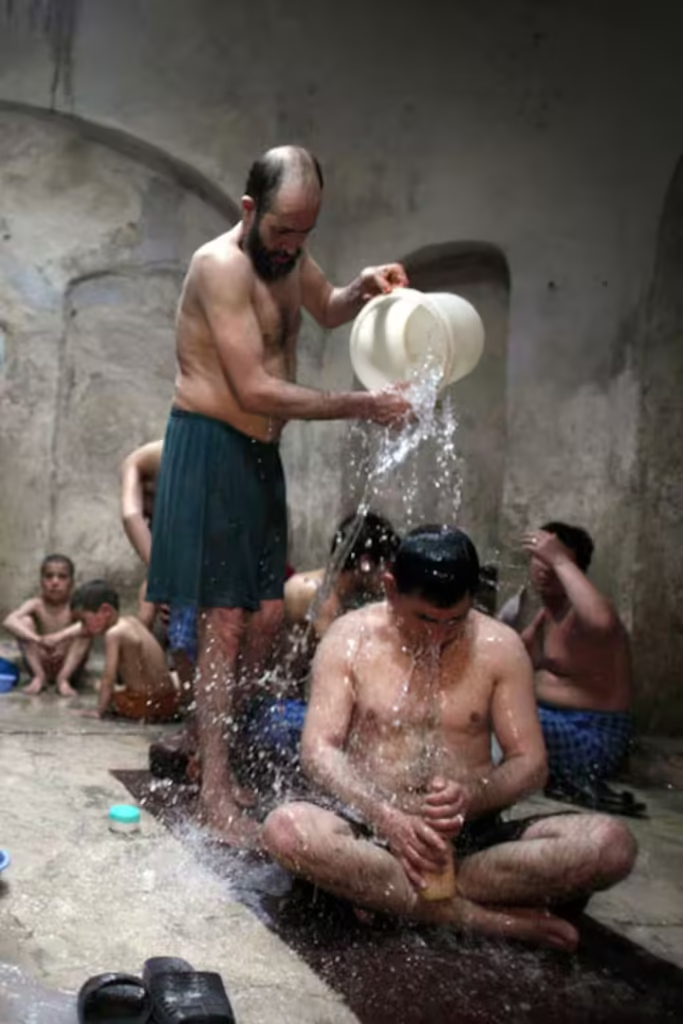
Interior of a Traditional Moroccan Hammam
The Moroccan hammam dates back to ancient times, influenced by Roman baths and Islamic culture. Over centuries, it became an essential institution in Moroccan cities and villages.
Historically, the hammam was not only a place for hygiene but also for social interaction, relaxation, and preparation for religious events.
The Ritual of the Traditional Moroccan Hammam
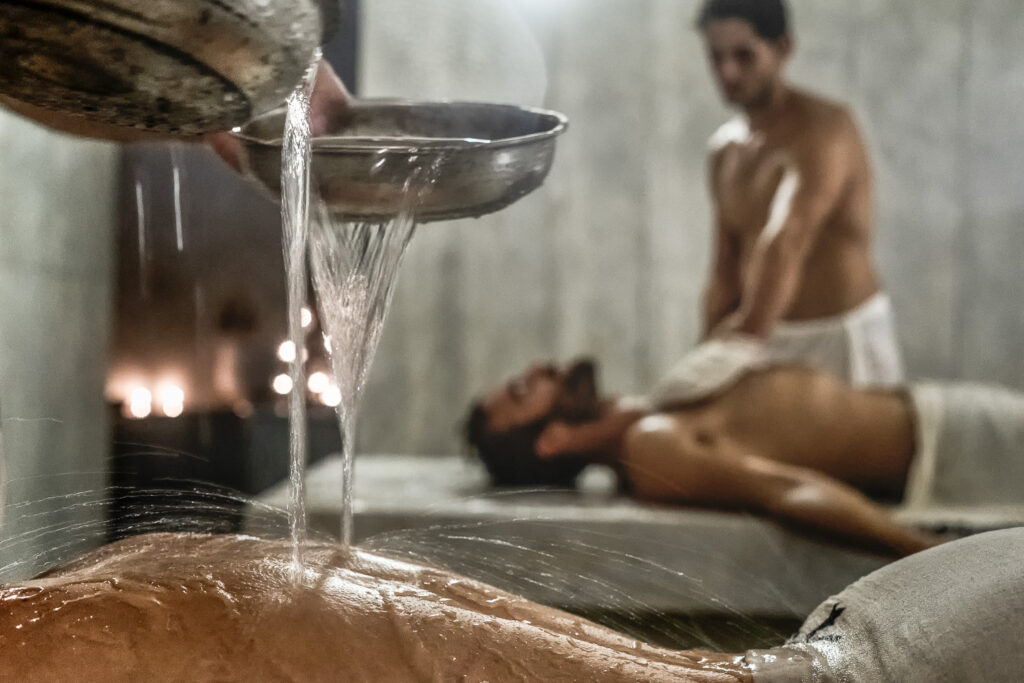
A session in a traditional Moroccan hammam follows a precise ritual:
- Spending a short time in a warm room to soften surface dirt, without exposure to excessive heat
- Application of traditional black soap
- Exfoliation using the kessa glove
- Rinsing and relaxation
Water, soap, and gentle use of the kessa glove can clean the skin and remove some dead surface cells. Many visitors enjoy the pause from daily routines, but the hammam does not medically “detoxify” the body. Avoid vigorous scrubbing on broken, inflamed, or sunburned skin.
Benefits of the Traditional Moroccan Hammam
A hammam visit can be a pleasant bathing experience, but its effects depend on water temperature, time spent in warm rooms, skin sensitivity, and a visitor’s health. Black soap helps with washing; a kessa glove provides mechanical exfoliation if used gently. Claims that steam “opens pores,” removes toxins from the body, or treats medical conditions should be avoided. Intense heat can also lead to dehydration, dizziness, weakness, or nausea. The CDC’s heat-health guidance explains these warning signs and the importance of staying hydrated. Anyone with a heart condition, other relevant chronic illness, or pregnancy-related concerns should seek individual medical advice before prolonged exposure to high heat.
First Visit: What to Expect and How to Prepare
Neighbourhood hammams vary in layout, opening hours, temperature, and facilities. Some offer a simple communal bathing space, whereas others provide assisted scrubbing or private treatments for an additional charge. Check local rules and prices before visiting.
- Bring the essentials: a towel, non-slip sandals, a change of clothes, drinking water, and your own washing supplies. A kessa glove and black soap are commonly used but may also be sold at the hammam.
- Respect local arrangements: most communal hammams have separate times or facilities for men and women. Ask before entering and avoid photographing other visitors.
- Start gently: spend only as long as you feel comfortable in the warm room; take breaks and leave if you feel lightheaded. There is no need to tolerate extreme heat.
- Scrub carefully: rough exfoliation can irritate sensitive, damaged, or sunburned skin. Avoid sharing personal washing implements.
- Clarify additional services: confirm whether an assisted scrub, products, or other treatments are included or priced separately.
For information on how Moroccan black soap is used, see our related guide. The hammam’s cultural role is distinct from medical claims about its effects.
Modern vs Traditional Hammams in Morocco
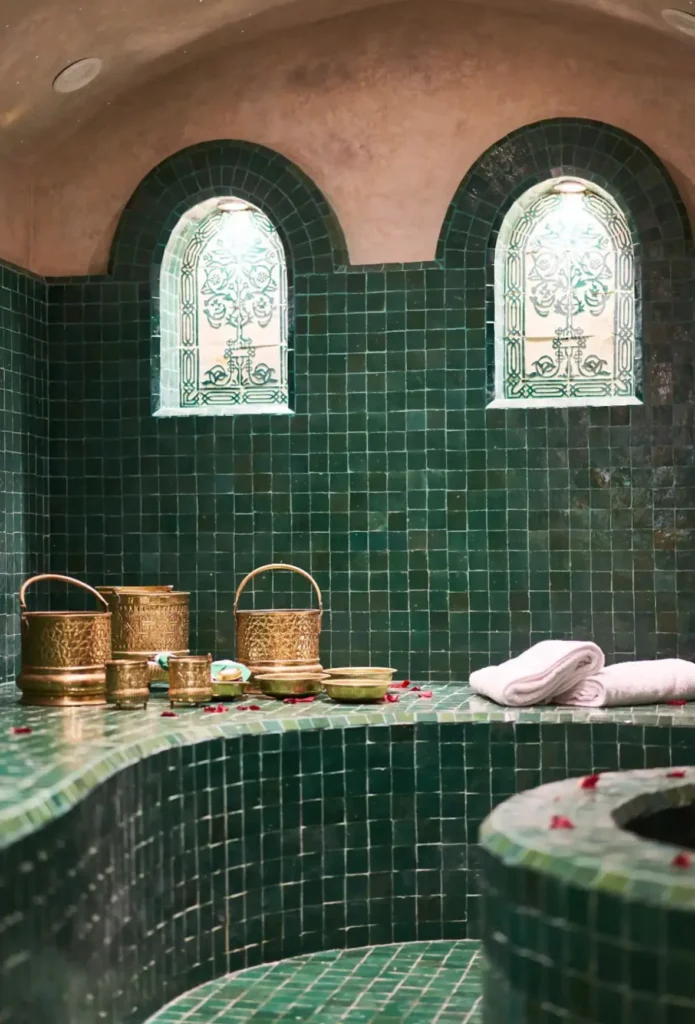
While traditional Moroccan hammams remain deeply rooted in daily life, modern hammams have emerged in recent years, especially in urban areas and tourist destinations. Traditional hammams focus on communal rituals, simplicity, and ancestral practices using natural products such as black soap and ghassoul. In contrast, modern hammams often combine these traditions with contemporary spa services, private rooms, massages, and aromatherapy. Despite these differences, both experiences share the same core philosophy: purification, relaxation, and respect for a centuries-old cultural heritage.
Social and Cultural Importance
The hammam is a true place of community life. Women and men attend separately, and it plays a key role in important life events such as:
- Weddings
- Religious celebrations
- Family gatherings
It remains a powerful symbol of collective identity and cultural continuity.
Conclusion
The traditional Moroccan hammam is much more than a bathing space. It represents a living tradition that combines cleanliness, relaxation, beauty, and community spirit.
By preserving these ancestral rituals, Morocco continues to honor its cultural roots and transmit its values to future generations.
👉 Discover more about Moroccan traditions:
Moroccan Traditions
FAQ
1) What is the difference between a traditional hammam and a modern spa?
A traditional Moroccan hammam is usually a neighborhood bathhouse where people follow a classic ritual using black soap, a kessa glove, and sometimes rhassoul clay.
A modern hammam or spa is more comfortable and often more expensive, with added services and a more “touristic” experience.
2) How much does a hammam session cost in Morocco?
There is no single price across Morocco. Costs depend on the city, neighbourhood, type of establishment, and whether scrubbing, staff assistance, or products are included. A communal hammam and a tourist-oriented spa may have very different pricing. Ask the establishment directly about the current admission fee and any extras before visiting.
3) What should you bring to a Moroccan hammam?
It’s recommended to bring:
- Moroccan black soap
- kessa exfoliating glove
- rhassoul clay (optional)
- towel
- sandals
- clean underwear
- a bottle of water
- a small bucket (if not provided)
4) How does a traditional Moroccan hammam session work?
A typical session follows these steps:
- relax in the warm/hot room
- apply black soap
- rinse and scrub with the kessa glove
- apply rhassoul clay (optional)
- rinse and rest after the session
5) Are Moroccan hammams separated for men and women?
Yes. Most hammams are:
- either separate entrances
- or different hours for men and women
6) Is a Moroccan hammam beneficial for health?
Washing with soap and water supports personal hygiene, and gentle exfoliation may remove dead skin cells. Some people find a visit relaxing. A hammam is not a medical treatment, however: claims that it “flushes toxins” or cures illness are unsubstantiated. Prolonged intense heat can cause overheating, dehydration, dizziness, weakness, or nausea.
If you feel faint or unwell, leave the hot room, cool down, and seek medical help when needed. Consult a healthcare professional before intense heat exposure if you have a significant medical condition or pregnancy-related concerns. See the CDC’s official guidance on heat-related health risks.
7) How often do Moroccans go to the hammam?
Many Moroccans go once a week, especially before:
- religious celebrations
- weddings
- special occasions
- Ramadan and Eid
8) Is it safe to go to a hammam during Ramadan?
Intense heat can increase the risk of dizziness and dehydration during fasting. Whether a hammam visit is appropriate depends on the individual, the temperature, and how long the session lasts. Visiting after iftar may make drinking water easier, but it is not automatically safe for everyone. Leave the heat immediately if you feel faint, weak, or nauseated.
9) Can people with health conditions go to the hammam?
If you have:
- heart problems
- high/low blood pressure
- severe asthma
- pregnancy concerns
it’s safer to ask a doctor and avoid extreme heat.
10) What is the best time to visit a hammam?
The best times are often:
- early morning (less crowded)
- weekdays (quieter)
- outside peak hours and weekends
The Moroccan hammam is part of the wider history of bathing across North Africa and the Mediterranean. For additional historical context, see Encyclopædia Britannica’s overview of the hammam. The practice is culturally important in Morocco, but it should not be described as a separately UNESCO-inscribed intangible heritage element without a specific listing. Consult UNESCO’s official Morocco list for the elements actually inscribed.