
The history of Morocco can be followed through archaeological remains, successive dynasties, historic cities and the political changes of the twentieth century. Located between the Atlantic Ocean, the Mediterranean and Saharan routes, the territory has long been a place of exchange. This guide presents the main periods with examples of sites visitors can still explore, rather than treating Moroccan history as a single uninterrupted narrative.
Moroccan history unfolds through several key periods that shaped the country’s identity and cultural heritage.
These major historical phases include:
- ancient Amazigh and Mediterranean civilizations,
- the spread of Islam and the rise of Moroccan dynasties,
- European influence during the colonial period,
- independence and the development of modern Morocco.
Ancient Origins of Morocco
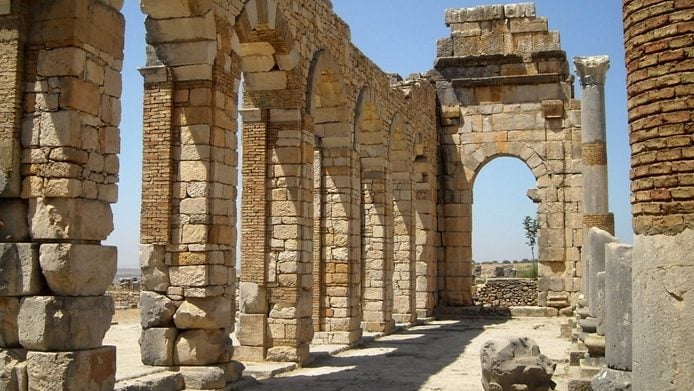
The ancient origins of Morocco and the legacy of early civilizations
People lived in the territory of modern Morocco long before the emergence of the identities recorded in historical texts. Amazigh communities form a major indigenous component of the region’s history. From antiquity onward, contacts with Phoenician and Punic traders and later Roman institutions connected the region to Mediterranean networks. At Volubilis, near Meknes, mosaics, inscriptions and the remains of streets and public buildings reveal both Roman urban life and exchanges with local cultures. UNESCO inscribed the archaeological site on the World Heritage List in 1997.
The Arrival of Islam and the Birth of the Moroccan State
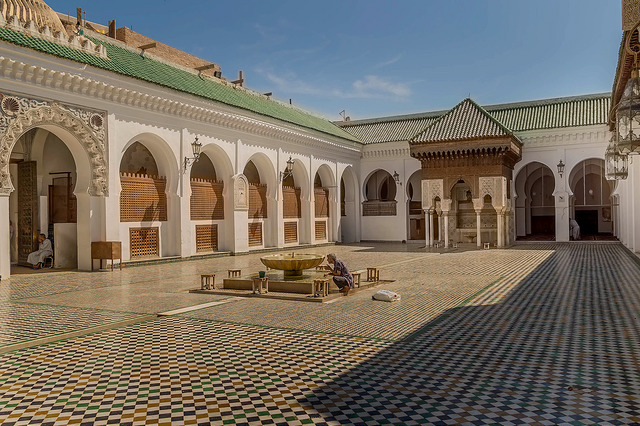
The arrival of Islam and the formation of Morocco’s historical identity
Islam spread into the Maghreb during the seventh and eighth centuries. In the late eighth century, Idris I founded the Idrisid dynasty, an important early stage in the formation of Moroccan political institutions. Volubilis was briefly associated with Idris I, while Fez gained importance under Idris II and his successors. The period is best understood as a series of political and cultural changes rather than an immediate, uniform transformation of every region.
The Great Moroccan Dynasties
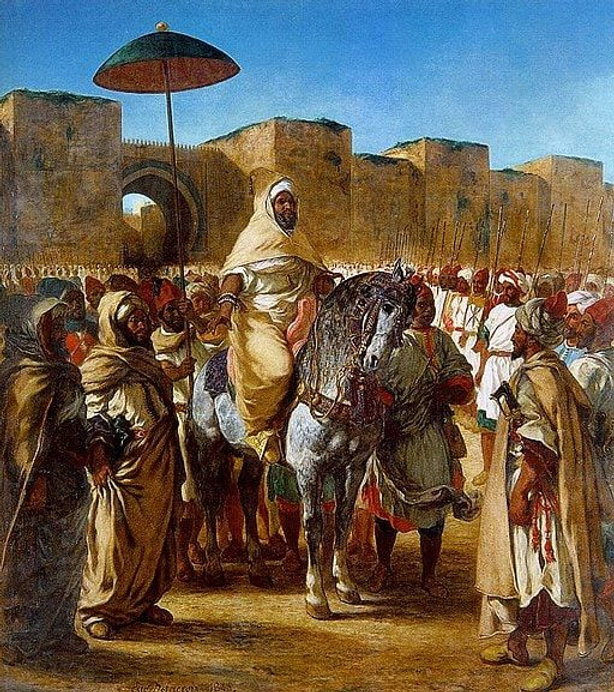
The great Moroccan dynasties and the historical formation of the state
The Almoravids (eleventh and twelfth centuries) established Marrakech as a major political centre. The Almohads (twelfth and thirteenth centuries) ruled an extensive region across the Maghreb and al-Andalus; Marrakech’s Koutoubia and Rabat’s Hassan Tower are enduring landmarks of that era. The Marinids (thirteenth to fifteenth centuries) are associated with major educational and architectural developments in Fez. Later, the Saadians consolidated power in the sixteenth century, leaving monuments such as the Saadian Tombs in Marrakech. The Alaouite dynasty rose to prominence in the seventeenth century. These changes help explain why Morocco’s major monuments belong to different periods and building traditions.
Morocco and European Influence
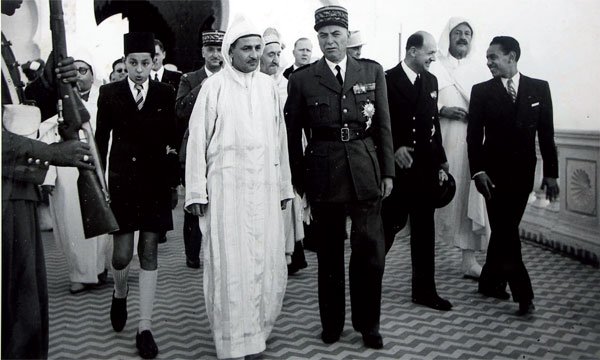
The colonial period and its impact on Moroccan history
European diplomatic, military and economic pressure increased during the nineteenth century. The 1912 Treaty of Fez established French protectorate rule over much of Morocco, while areas in the north and south came under Spanish administration. Tangier later had a distinct international status. The protectorate period changed public administration, transport and urban planning, while resistance and nationalist movements developed in different parts of the country.
Independence and Modern Morocco
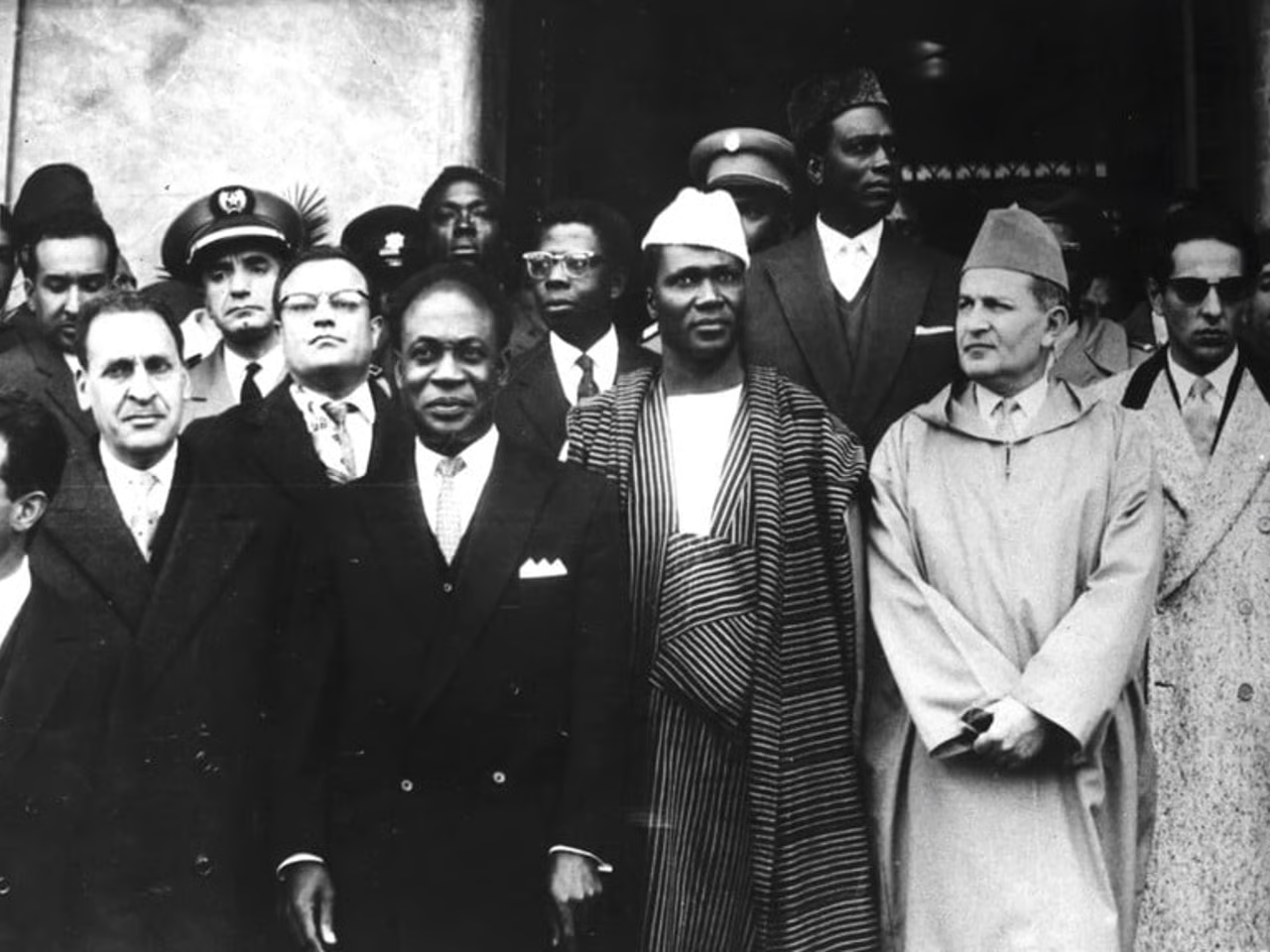
Morocco’s independence and the birth of the modern state
France recognized Moroccan independence on 2 March 1956; the process of ending Spanish protectorate administration also advanced that year. Mohammed V played a central role in the transition. The decades that followed brought political and institutional reforms, urban growth and significant social change. Understanding modern Morocco therefore requires looking at both historical continuities and debates about how the country developed after independence.
Conclusion
The history of Morocco is the story of a nation shaped by multiple civilizations yet united by a strong and enduring identity. Understanding Moroccan history provides essential insight into its culture, traditions, and heritage, offering a deeper appreciation of Morocco’s past and its vision for the future.
To deepen your understanding, explore Moroccan culture, Moroccan traditions, and Moroccan cultural heritage, all deeply rooted in this long history.
Frequently Asked Questions – History of Morocco
What are the origins of Moroccan history?
The history of Morocco dates back to ancient times, shaped by Amazigh (Berber) civilizations, Phoenician traders, Roman influence, and early Mediterranean exchanges.
Which civilizations influenced Morocco the most?
Morocco has been influenced by Amazigh, Arab-Islamic, Andalusian, African, and European civilizations, each contributing to its cultural and historical identity.
What role did Islamic dynasties play in Moroccan history?
Islamic dynasties such as the Idrisids, Almoravids, Almohads, and Saadians played a central role in unifying Morocco and establishing it as a major political and cultural power.
How did Morocco become a modern nation-state?
Morocco became a modern state through a long process marked by resistance to colonial rule, independence in 1956, and the gradual construction of modern political institutions.
Why is Moroccan history considered unique in North Africa?
Morocco stands out for maintaining a continuous monarchy and a strong cultural identity despite centuries of external influences and historical transformations.
For a broader view of Moroccan heritage, consult the UNESCO World Heritage sites in Morocco and the UNESCO intangible heritage records. Archaeology, architecture and oral traditions provide different kinds of historical evidence.
Historical sources and further reading
- UNESCO – Archaeological Site of Volubilis: material evidence and layers of occupation.
- Moroccan National Tourist Office – Dynastic History: the main dynasties and their legacy.
- US Department of State, Office of the Historian – Morocco: diplomatic history, protectorate and recognition of independence.