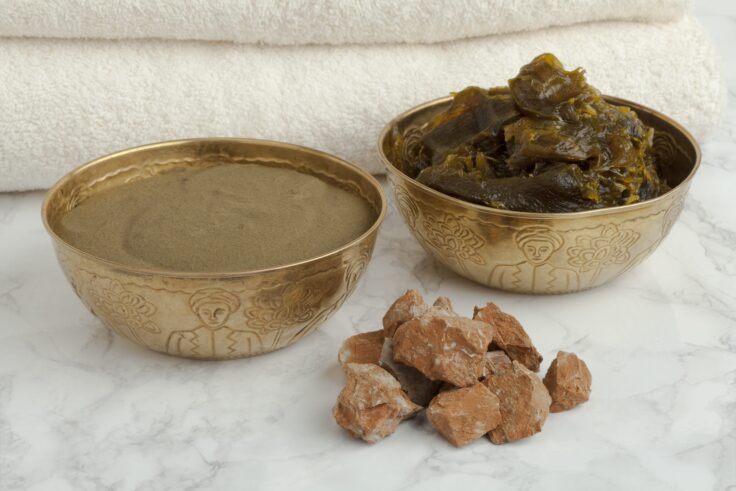
Moroccan black soap, known locally as savon beldi, is one of the most famous traditional skincare products in Morocco. It has been used for centuries as part of the Moroccan hammam ritual, a unique cleansing and wellness tradition deeply rooted in Moroccan culture.
This natural soap is made primarily from olives and olive oil and is valued for its ability to deeply cleanse the skin, remove impurities, and prepare the body for exfoliation. In Moroccan bathhouses, black soap plays a central role in the traditional purification ritual that combines steam, exfoliation, and natural treatments.
Today, This traditional Moroccan soap is widely appreciated around the world in spas and wellness centers for its natural skincare benefits and its connection to ancient Mediterranean beauty traditions.
The Origins of Moroccan Black Soap
The history of Moroccan black soap dates back several centuries. Traditionally produced in Moroccan homes and artisanal workshops, this soap was made using ingredients readily available in Mediterranean regions.
When public bathhouses became an essential part of Moroccan urban life, black soap naturally became a key element of the Moroccan hammam cleansing ritual.
For generations, families have visited the hammam weekly to cleanse their bodies and relax. During this ritual, black soap is applied to the skin before exfoliation, helping remove dead skin cells and leaving the skin soft and refreshed.
Today, Moroccan black soap is exported worldwide and has become one of Morocco’s most recognized natural beauty products.
Traditional Ingredients of Moroccan Black Soap
One of the reasons Moroccan black soap remains popular is its simple and natural composition.
Main Ingredients
Traditional Moroccan black soap usually contains:
- Olive oil
- Crushed black olives
- Natural potash
- Water
Key Characteristics
Because of these ingredients, Moroccan black soap is known for being:
- 100% natural
- rich in vitamin E
- free from artificial fragrances
- suitable for most skin types
Its natural formula allows it to cleanse the skin gently while maintaining hydration.
The Moroccan Hammam Ritual with Black Soap
1. Preparing the Body with Steam
The ritual begins in the hot steam room of the Moroccan hammam. The heat and humidity help open the pores and soften the skin.
This stage prepares the body for deep cleansing and ensures that the black soap can penetrate the skin effectively.
2. Applying Moroccan Black Soap
Once the skin is warm and moist, the black soap is applied across the body, usually avoiding the face.
The soap is left on the skin for five to ten minutes.
During this time it helps:
- soften the skin
- loosen impurities
- prepare the skin for exfoliation
3. Exfoliation with the Kessa Glove
After the soap treatment, the body is lightly rinsed and exfoliated using the traditional kessa glove.
This exfoliating glove removes dead skin cells and stimulates blood circulation.
The result is smoother skin, improved texture, and a deep feeling of cleanliness.
4. Rinsing and Natural Treatments
After exfoliation, the body is rinsed with warm water.
Many traditional hammam rituals also include additional natural treatments such as:
- Moroccan rhassoul clay
- argan oil
- rose water
These products nourish and hydrate the skin after the deep cleansing process.
Benefits of Moroccan Black Soap
Skin Benefits
Moroccan black soap provides many skincare advantages:
- deep pore cleansing
- natural exfoliation
- smoother and brighter skin
- improved skin texture
- removal of dead skin cells
Regular use can help maintain healthy and radiant skin.
Wellness Benefits
The Moroccan hammam ritual is also known for its relaxing and therapeutic effects.
Benefits include:
- muscle relaxation
- improved blood circulation
- reduced stress
- detoxification of the body
- overall feeling of renewal
For many people, visiting the hammam is both a skincare treatment and a moment of relaxation.
Traditional vs Industrial Black Soap
As Moroccan black soap has gained international popularity, many commercial versions have appeared on the market.
However, there are important differences between traditional Moroccan black soap and industrial products.
Traditional Black Soap
Authentic Moroccan black soap:
- is made with natural olive ingredients
- contains no artificial chemicals
- has a thick paste-like texture
- has a natural olive scent
Industrial Black Soap
Some commercial versions may contain:
- artificial fragrances
- preservatives
- synthetic ingredients
For the best results, many experts recommend using authentic Moroccan black soap produced using traditional methods.
Moroccan Black Soap in Moroccan Culture
Moroccan black soap is not only a beauty product but also part of Morocco’s cultural traditions.
In Moroccan society, the hammam ritual often takes place:
- before weddings
- after childbirth
- before religious celebrations
- during weekly family visits to the hammam
The ritual symbolizes purification, renewal, and preparation for important life events.
Traditional bathing practices such as the Moroccan hammam are also often cited in studies related to Mediterranean wellness traditions, highlighting their cultural and social importance.
Frequently Asked Questions
Is Moroccan black soap suitable for all skin types?
Yes. Because it is made from natural ingredients, Moroccan black soap is suitable for most skin types.
Can Moroccan black soap be used without a hammam?
Yes. It can be used at home during a hot shower, although the steam environment of the hammam enhances its effects.
How often should Moroccan black soap be used?
Using black soap once a week is generally recommended to maintain healthy skin.
Can Moroccan black soap be used on the face?
Traditionally it is not recommended for the face because facial skin is more delicate.
Conclusion
The Moroccan black soap ritual represents one of Morocco’s most enduring wellness traditions. Combining natural ingredients, steam therapy, and exfoliation, it offers both skincare benefits and cultural significance.
Even today, the hammam ritual continues to be practiced throughout Morocco, preserving centuries-old knowledge about natural beauty and self-care.
By maintaining these traditions, Morocco preserves a valuable part of its cultural heritage while sharing its natural beauty secrets with the world.
The traditional Moroccan hammam ritual, closely associated with the use of Moroccan black soap, reflects centuries-old bathing traditions that are part of the cultural heritage protected and promoted by organizations such as UNESCO.