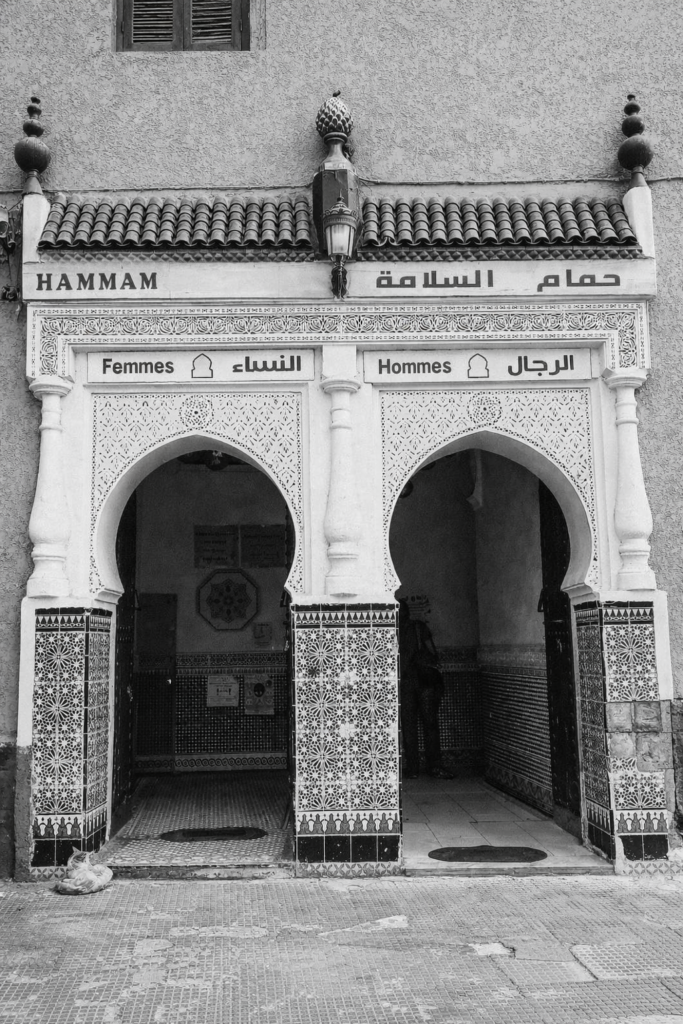
Historic Moroccan Hammam Entrance in Black and White
Introduction
The traditional Moroccan hammam holds a central place in Moroccan culture. More than just a place for bathing, it represents a social, spiritual, and therapeutic ritual deeply rooted in Morocco’s heritage.
Despite the spread of modern wellness centers, the traditional hammam remains strongly present in daily Moroccan life, symbolizing continuity between tradition and modernity.
In this article, we explore the history of the Moroccan hammam, its rituals, benefits, and the reasons behind its lasting importance today.
The Moroccan Hammam: A Historic Heritage
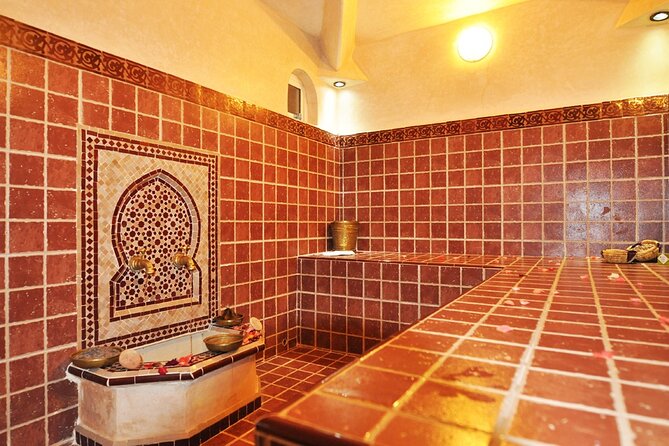
Interior of a Traditional Moroccan Hammam
The Moroccan hammam dates back to ancient times, influenced by Roman baths and Islamic culture. Over centuries, it became an essential institution in Moroccan cities and villages.
Historically, the hammam was not only a place for hygiene but also for social interaction, relaxation, and preparation for religious events.
The Ritual of the Traditional Moroccan Hammam
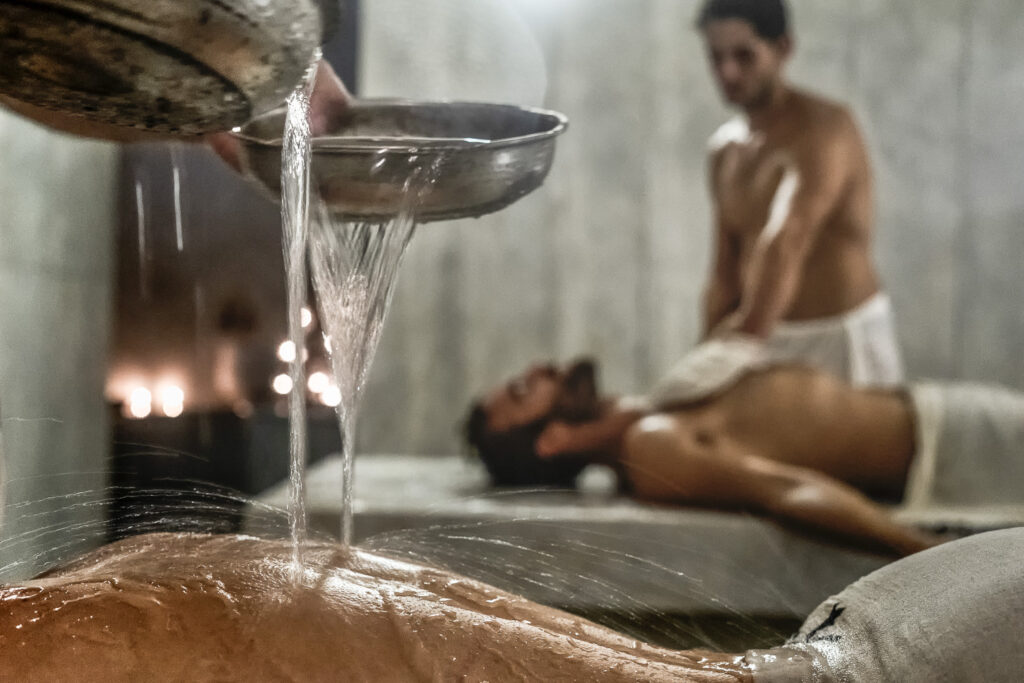
A session in a traditional Moroccan hammam follows a precise ritual:
- Steam bathing to open pores
- Application of traditional black soap
- Exfoliation using the kessa glove
- Rinsing and relaxation
This ritual promotes physical purification while offering deep mental relaxation.
Benefits of the Traditional Moroccan Hammam
The traditional Moroccan hammam offers numerous physical and mental benefits that contribute to overall well-being. The heat and steam help open pores, cleanse the skin deeply, and eliminate toxins, while improving blood circulation and relaxing muscles. The use of black soap, kessa exfoliation, and natural clay such as ghassoul leaves the skin soft, purified, and revitalized. Beyond its physical benefits, the hammam provides a moment of calm and disconnection from daily stress, promoting mental relaxation and emotional balance. This holistic experience explains why the traditional hammam remains an essential wellness ritual in Moroccan culture.
Modern vs Traditional Hammams in Morocco
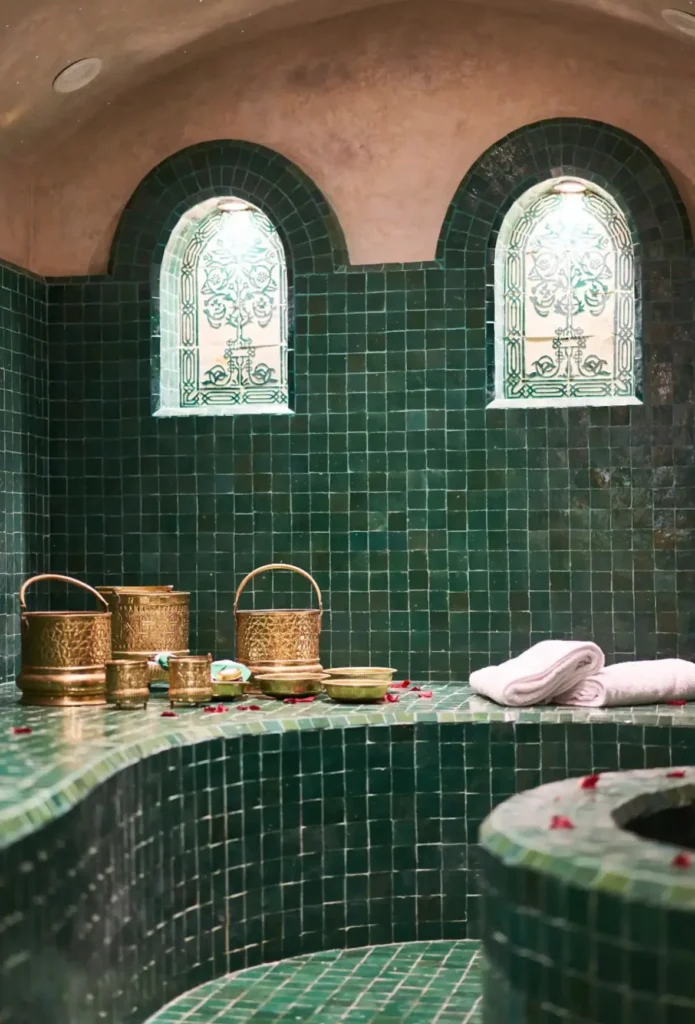
While traditional Moroccan hammams remain deeply rooted in daily life, modern hammams have emerged in recent years, especially in urban areas and tourist destinations. Traditional hammams focus on communal rituals, simplicity, and ancestral practices using natural products such as black soap and ghassoul. In contrast, modern hammams often combine these traditions with contemporary spa services, private rooms, massages, and aromatherapy. Despite these differences, both experiences share the same core philosophy: purification, relaxation, and respect for a centuries-old cultural heritage.
Social and Cultural Importance
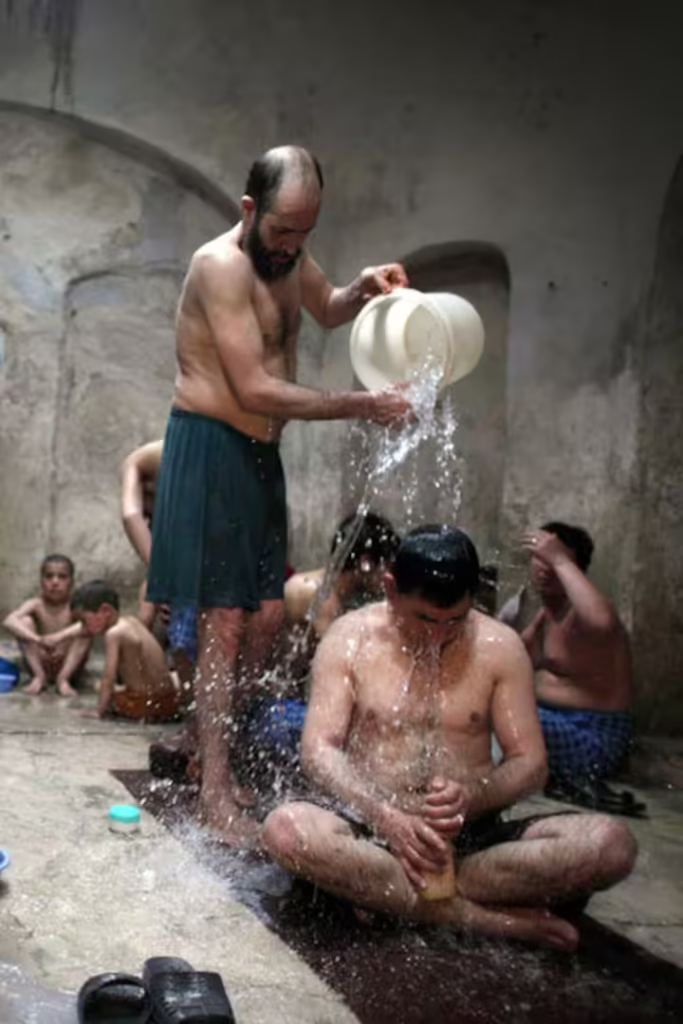
The hammam is a true place of community life. Women and men attend separately, and it plays a key role in important life events such as:
- Weddings
- Religious celebrations
- Family gatherings
It remains a powerful symbol of collective identity and cultural continuity.
Conclusion
The traditional Moroccan hammam is much more than a bathing space. It represents a living tradition that combines cleanliness, relaxation, beauty, and community spirit.
By preserving these ancestral rituals, Morocco continues to honor its cultural roots and transmit its values to future generations.
👉 Discover more about Moroccan traditions:
Moroccan Traditions
FAQ
1) What is the difference between a traditional hammam and a modern spa?
A traditional Moroccan hammam is usually a neighborhood bathhouse where people follow a classic ritual using black soap, a kessa glove, and sometimes rhassoul clay.
A modern hammam or spa is more comfortable and often more expensive, with added services and a more “touristic” experience.
2) How much does a hammam session cost in Morocco?
Prices depend on the city and the type of hammam:
- Local neighborhood hammam: usually 10–30 MAD
- Tourist hammam or spa: often 150–500 MAD or more depending on treatments
3) What should you bring to a Moroccan hammam?
It’s recommended to bring:
- Moroccan black soap
- kessa exfoliating glove
- rhassoul clay (optional)
- towel
- sandals
- clean underwear
- a bottle of water
- a small bucket (if not provided)
4) How does a traditional Moroccan hammam session work?
A typical session follows these steps:
- relax in the warm/hot room
- apply black soap
- rinse and scrub with the kessa glove
- apply rhassoul clay (optional)
- rinse and rest after the session
5) Are Moroccan hammams separated for men and women?
Yes. Most hammams are:
- either separate entrances
- or different hours for men and women
6) Is the Moroccan hammam good for your health?
Yes, when done properly. It can help:
- deep-clean the skin
- open pores and remove impurities
- improve blood circulation
- relax muscles
- reduce stress
7) How often do Moroccans go to the hammam?
Many Moroccans go once a week, especially before:
- religious celebrations
- weddings
- special occasions
- Ramadan and Eid
8) Is it safe to go to a hammam during Ramadan?
Yes, but it’s better to avoid going during fasting hours because the heat can cause dehydration and fatigue.
The most comfortable time is usually after iftar.
9) Can people with health conditions go to the hammam?
If you have:
- heart problems
- high/low blood pressure
- severe asthma
- pregnancy concerns
it’s safer to ask a doctor and avoid extreme heat.
10) What is the best time to visit a hammam?
The best times are often:
- early morning (less crowded)
- weekdays (quieter)
- outside peak hours and weekends
The traditional Moroccan hammam is part of a broader bathing culture recognized across the Mediterranean world, as explained by Encyclopædia Britannica in its overview of the hammam tradition: