A Living Heritage at the Heart of Morocco’s Cultural Identity
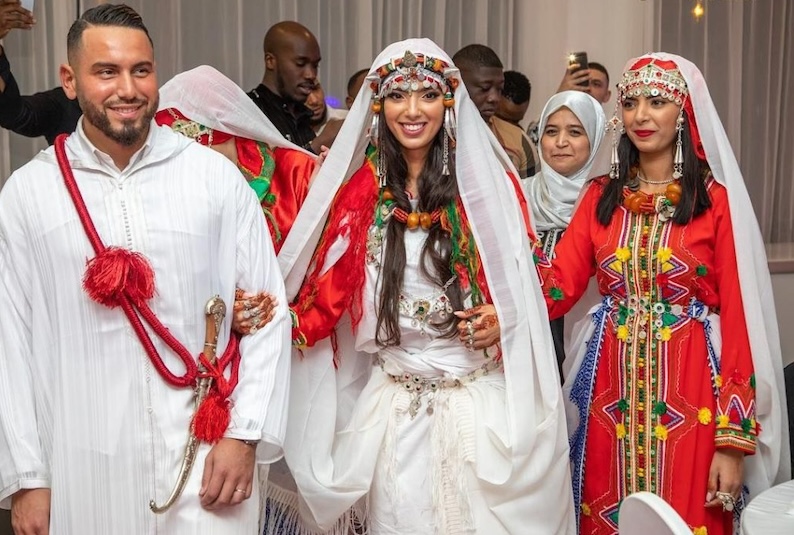
Moroccan traditions reflect the richness and diversity of Morocco’s cultural heritage. They are the result of a long and harmonious blend of Amazigh (Berber), Arab, Andalusian and African influences, shaped over centuries of history.
Deeply rooted in daily life as well as in major celebrations, these traditions structure social, family and spiritual practices throughout the country. Even today, these customs remain a fundamental pillar of Moroccan cultural identity, passed down from generation to generation.
Traditions Rooted in Everyday Life
In Morocco, traditions are not frozen in the past. They are lived and expressed through everyday gestures, social relationships and collective rituals. Hospitality, mutual aid, respect for elders and strong family ties are essential values that shape Moroccan society.
Although each region has its own customs and cultural specificities, all local customs share a common foundation based on respect, sharing and transmission.
Social and Family Traditions
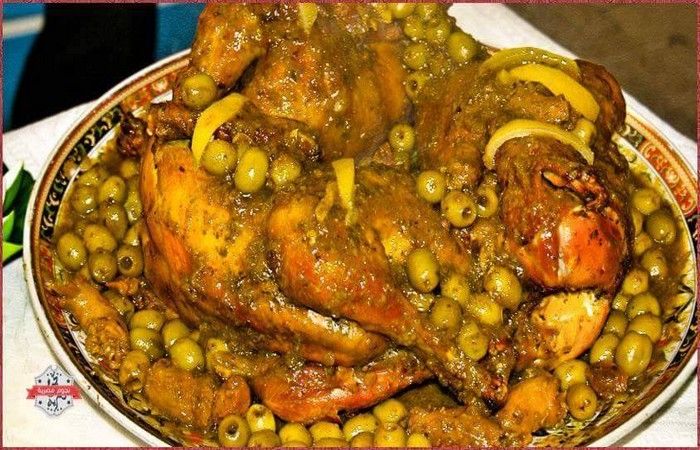
Social and family traditions play a central role in Moroccan life
They are expressed through:
- major religious celebrations
- collective rituals and gatherings
- practices of sharing, solidarity and hospitality
These traditions strengthen the sense of belonging and reinforce social cohesion within families and communities.
Traditions of Well-Being and Purification
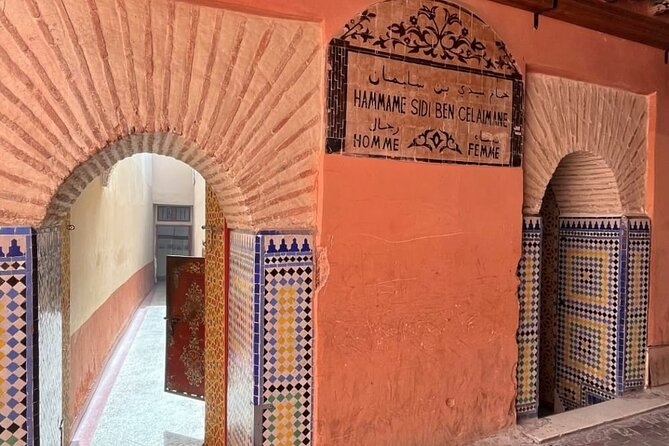
Some traditional practices in Morocco are closely linked to well-being, hygiene and the purification of both body and mind. They reflect a holistic vision of health, where the collective dimension is just as important as individual care.
Among these practices is the traditional Moroccan hammam, a true social and cultural institution that has played a vital role in Moroccan life for centuries.
👉 Discover our dedicated article:
The Traditional Moroccan Hammam: History, Rituals and Benefits
An Intangible Heritage Passed Down Through Generations
These cultural practices form a precious intangible heritage. They are transmitted through oral traditions, observation and practice within families and communities.
Despite the evolution of modern society, these traditions continue to adapt and reinvent themselves while preserving their deep cultural meaning. They reflect Morocco’s ability to maintain its identity while embracing change.
Moroccan Traditions Today
Today, Moroccan traditions continue to shape everyday life, ceremonies and social interactions. From family rituals to collective celebrations, they remain a living expression of Morocco’s history, beliefs and cultural values.
They represent not only a link to the past, but also a source of inspiration for contemporary Moroccan society.
Moroccan Traditions – FAQ
What are Moroccan traditions?
Moroccan traditions refer to the customs, social practices, rituals, and cultural expressions that have shaped daily life in Morocco for centuries. They reflect a rich blend of historical influences and remain deeply rooted in family life, religion, and community values.
How did these traditions develop over time?
These customs developed through the interaction of Amazigh, Arab, African, Andalusian, and Mediterranean cultures. Over time, these influences blended to create unique practices expressed through ceremonies, music, architecture, clothing, and social behavior.
Why are these traditions important in Moroccan society?
These cultural practices play a vital role in preserving identity and strengthening social bonds. They help transmit values such as hospitality, respect for elders, solidarity, and community cohesion from one generation to the next.
What role does family play in traditional life in Morocco?
Family lies at the heart of cultural life in Morocco. Many customs revolve around family gatherings, shared meals, weddings, births, and religious celebrations, with strong respect for parents and elders.
What are some well-known customs in Morocco?
Well-known customs include the mint tea ceremony, traditional weddings, religious celebrations, family-centered meals, and regional festivals. While practices vary by region, they share common cultural values.
Are cultural customs in Morocco linked to religion?
Yes, many traditional practices are closely connected to religious life. Islamic celebrations, spiritual rituals, and social customs are deeply intertwined with local cultural expressions and regional identities.
What is the role of festivals and moussems?
Festivals and moussems play an essential role in community life. They celebrate religious events, agricultural cycles, local saints, and cultural heritage, bringing people together through music, rituals, and collective celebrations.
Are these traditions still practiced today?
Yes, these traditions remain very much alive. They continue to shape daily life, social interactions, ceremonies, and cultural events, while adapting to modern lifestyles and contemporary influences.
How do customs vary across different regions of Morocco?
Cultural customs vary widely from one region to another. Mountain, desert, coastal, and urban areas each have distinct practices, clothing styles, music, and celebrations, reflecting Morocco’s exceptional diversity.
How are traditional practices passed down through generations?
They are mainly transmitted orally and through daily practice within families and communities. Elders play a key role in teaching rituals, customs, and cultural values to younger generations.
What is the link between traditions and cultural heritage in Morocco?
Traditional practices are an essential part of Morocco’s cultural heritage. They complement historical monuments and architecture by preserving intangible elements such as rituals, music, craftsmanship, and social practices.
Why is it important to preserve these traditions?
Preserving these traditions helps protect cultural identity, maintain social cohesion, and ensure that ancestral knowledge is passed on to future generations in an increasingly globalized world.
How do traditional customs influence modern Moroccan life?
They continue to influence modern lifestyles, fashion, gastronomy, architecture, and social behavior, inspiring contemporary creativity while remaining rooted in historical values.
To explore how Moroccan traditions are recognized as part of humanity’s cultural heritage, visit UNESCO’s World Heritage Centre