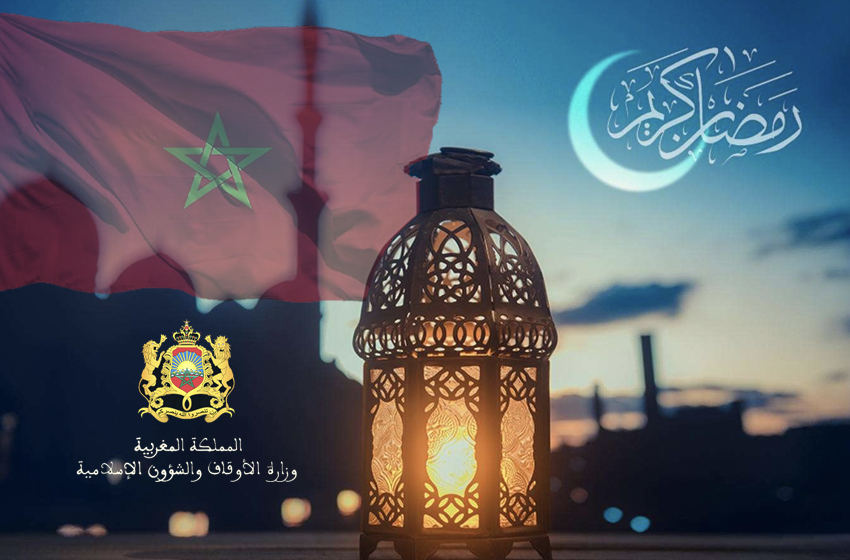
Ramadan in Morocco is much more than fasting. It is a sacred month that reshapes daily life across the country, from bustling cities to quiet villages. Between family gatherings at iftar, spiritual nights filled with Tarawih prayers, generous hospitality, and lively markets, Morocco experiences Ramadan with a distinctive cultural identity.
In this SEO guide, you’ll discover Moroccan Ramadan traditions, the local atmosphere, must-try foods, and practical tips to enjoy this special time—whether you live in Morocco or plan to visit.
Moroccan Ramadan traditions: a month of spirituality and togetherness
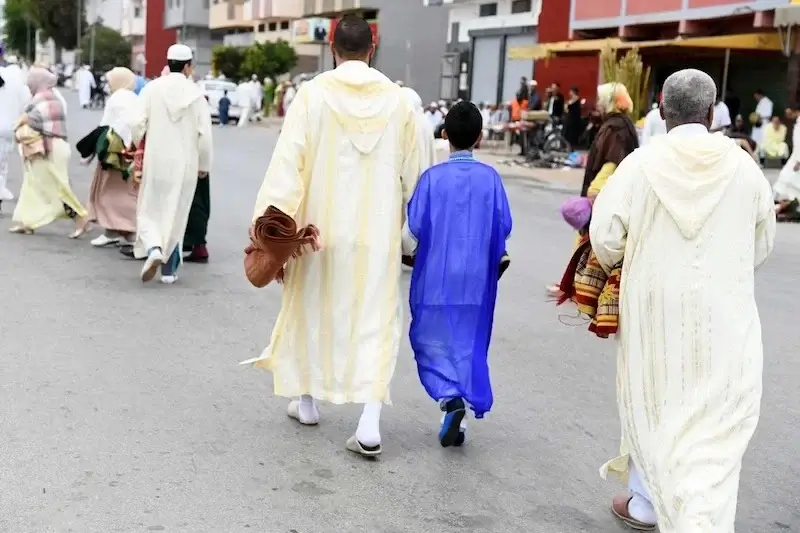
In Morocco, Ramadan is first and foremost a time of faith and reflection. Many people deepen their spiritual routines through Qur’an reading, charity, and increased mosque attendance.
At the same time, Ramadan is also about community and sharing. Families often invite relatives and neighbors for iftar, and acts of solidarity become more visible throughout society.
Ramadan atmosphere in Moroccan cities
Every Moroccan city has its own Ramadan vibe, but some scenes are common everywhere:
- Daytime tends to be calmer, especially in the afternoon
- Just before sunset, streets become busy as people prepare for iftar
- After breaking the fast, neighborhoods come alive again with cafés, family walks, and social visits
In cities like Casablanca, Marrakech, Fes, Rabat, and Tangier, Ramadan evenings are often full of movement, warmth, and tradition.
Moroccan iftar: must-try foods and traditional dishes
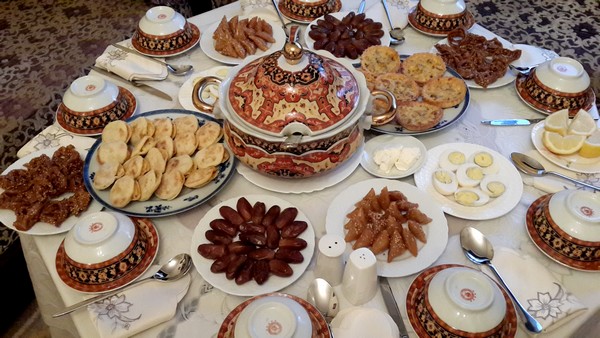
In Morocco, breaking the fast is a daily ritual and a highlight of family life. The table is generous, filled with dishes passed down through generations.
Here are the essentials of a Moroccan iftar:
- Harira (the iconic Ramadan soup)
- Chebakia (honey-coated sesame pastry)
- Sellou / Sfouf (energy-rich mix of flour, almonds, and spices)
- Dates and milk
- Briouats (savory or sweet pastry triangles)
- Msemmen and Baghrir (traditional Moroccan pancakes)
These foods are both comforting and nourishing—perfect for restoring energy after a long day of fasting.
The “Nafar” tradition: waking up Morocco before dawn
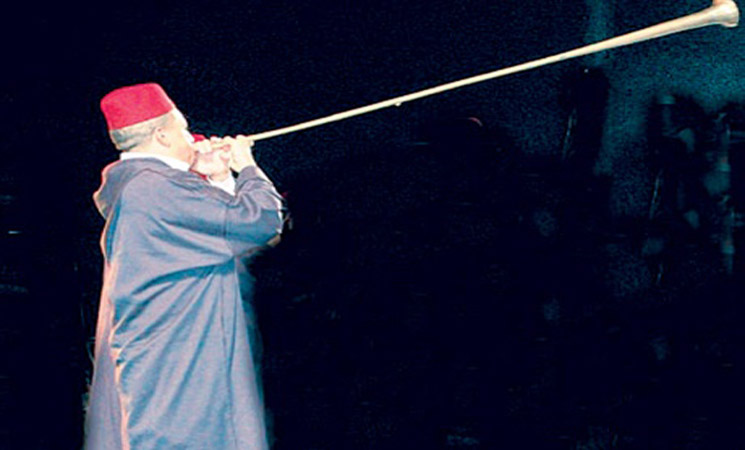
In several Moroccan regions, an old tradition still exists during Ramadan: the Nafar (also known as the drummer). Before dawn, he walks through streets and alleys to wake residents for suhoor (the pre-fasting meal).
While this custom has become less common in modern neighborhoods, it is still alive in many medinas and small towns, adding a unique charm to Moroccan Ramadan nights.
Internal link: Explore Moroccan heritage and traditions:
👉 Moroccan Heritage
Tarawih prayers: a special spiritual atmosphere
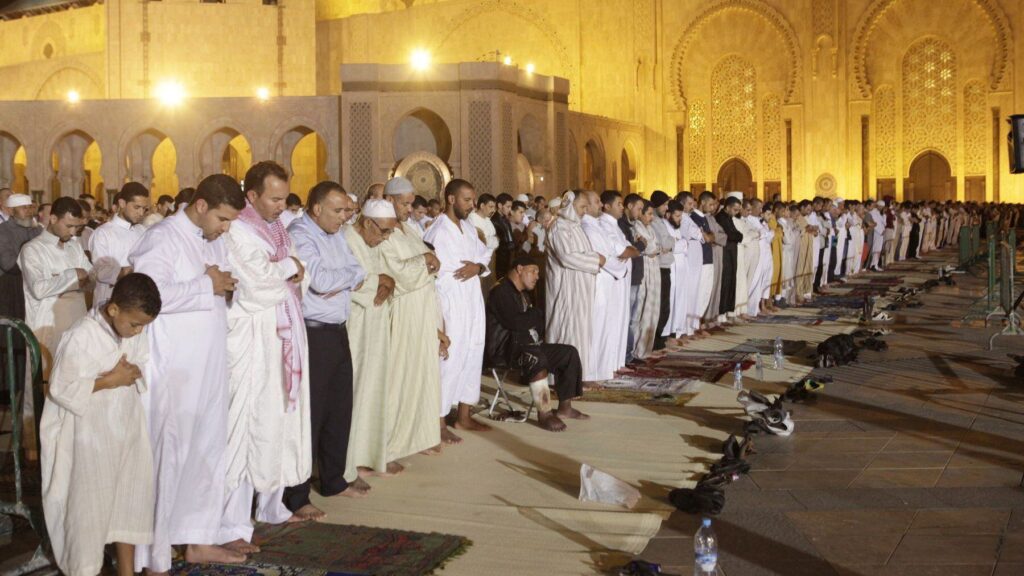
After iftar, many Moroccans head to the mosque for Tarawih prayers, which are performed during Ramadan evenings. The atmosphere is calm, spiritual, and deeply communal.
In major mosques, attendance can be very high, and nearby streets often become lively once prayers end.
Internal link: Read more about Moroccan culture and society:
👉 https://culturebladi.ma/
Daily schedule during Ramadan in Morocco

During Ramadan, Morocco’s daily rhythm shifts noticeably:
- Work schedules may be adjusted
- Public services often operate with reduced or adapted hours
- Shopping peaks before iftar and later at night
- Sleep patterns often change, especially in big cities
Evenings become a key social time, with visits, tea, conversations, and quiet night strolls.
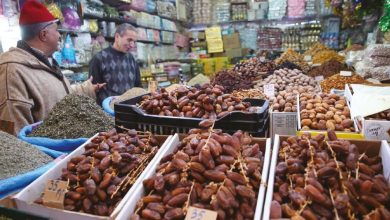
Markets and Ramadan preparations in Morocco
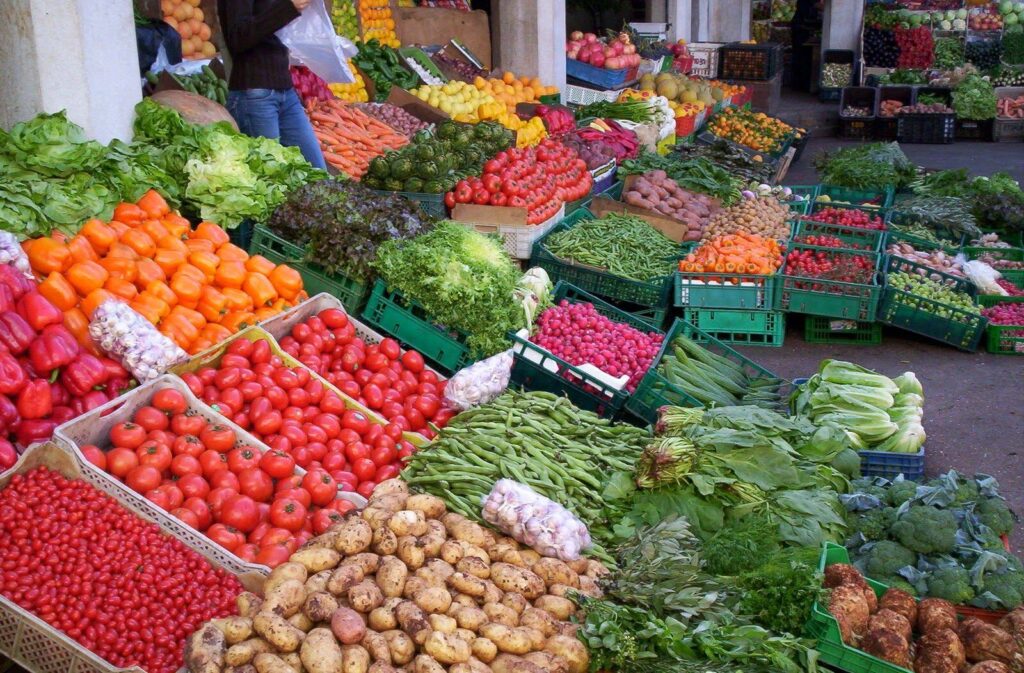
In the days leading up to Ramadan, Moroccan markets become busier as families stock up on ingredients for traditional dishes:
- spices and herbs for harira
- sesame seeds, almonds, honey for chebakia and sellou
- flour, yeast, and semolina for Moroccan pancakes
- dried fruits and dates
Souks turn into a vibrant display of aromas, colors, and tradition—especially in old city centers.
Eid al-Fitr in Morocco: how Ramadan ends
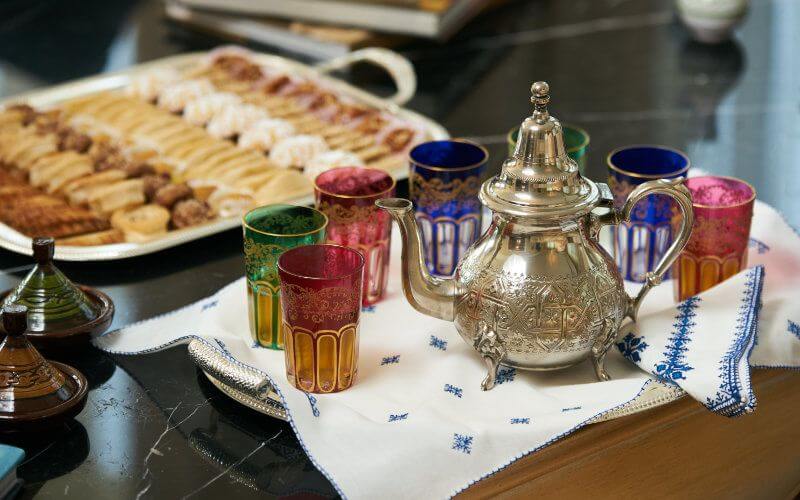
Ramadan concludes with Eid al-Fitr, one of the most important celebrations of the year in Morocco. Families start the day with prayer, then visit relatives and share festive meals.
Children often receive gifts, and many households prepare special sweets and traditional dishes.
FAQ: Ramadan in Morocco (common questions)
Is everything closed during Ramadan in Morocco?
No. Most shops remain open, but hours may shift. Many local cafés and restaurants reduce daytime activity, while some places remain open—especially in tourist areas.
Is Morocco a good place to visit during Ramadan?
Yes. It’s a unique cultural experience. Visitors just need to adapt to the country’s rhythm, especially before sunset and during nighttime peak hours.
What are the most famous Moroccan Ramadan foods?
The most iconic are harira, chebakia, sellou, plus briouats, msemmen, and baghrir.
Conclusion: why Ramadan in Morocco is truly unique
Ramadan in Morocco blends spirituality, traditions, food culture, and community values. Even for visitors, it offers a deeper, more authentic view of Moroccan daily life—warm, family-centered, and culturally rich.
On CultureBladi.ma, we keep exploring the stories and traditions that shape Morocco’s identity—helping you discover a living culture rooted in history and open to the future.
Internal link: Continue reading about Moroccan culture here:
👉 https://culturebladi.ma/blog/
Ramadan follows the Islamic lunar calendar and its religious practices are observed worldwide, as explained by Encyclopædia Britannica in its detailed overview of Ramadan: