Moroccan culture is one of the richest and most diverse in the world. Shaped by centuries of exchanges between Amazigh, Arab, African, Andalusian and Mediterranean civilizations, it reflects a strong identity rooted in history, traditions and a deep sense of hospitality.
This cultural richness is expressed through several fundamental aspects of Moroccan society:
- enduring traditions and rituals passed down through generations,
- arts and craftsmanship renowned for their ancestral know-how,
- music and gastronomy reflecting the diversity of cultural influences.
Among these living traditions, Ramadan in Morocco holds a central place in the country’s social and spiritual life.
The Heritage of Amazigh Civilization
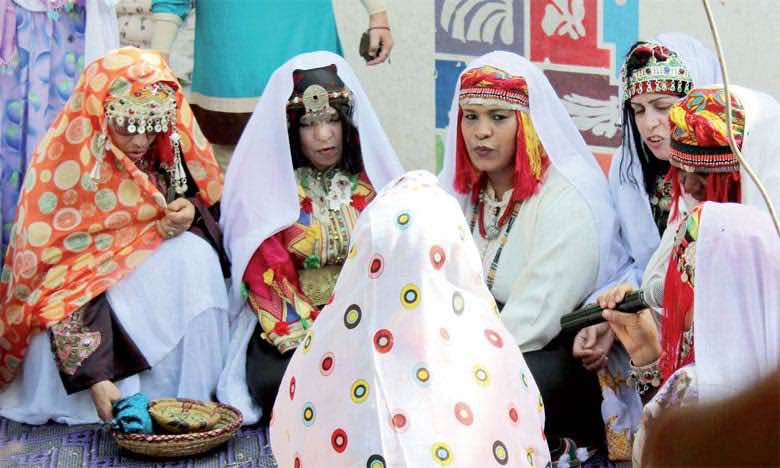
cultural rituals and practices passed down within communities
Amazigh civilization forms the historical and cultural foundation of Morocco. Present for thousands of years, it has preserved a strong identity through language, symbols, traditions and craftsmanship. Amazigh jewelry, clothing and architectural styles, particularly in southern kasbahs, remain powerful symbols of this living heritage.
The Influence of Arab Civilization
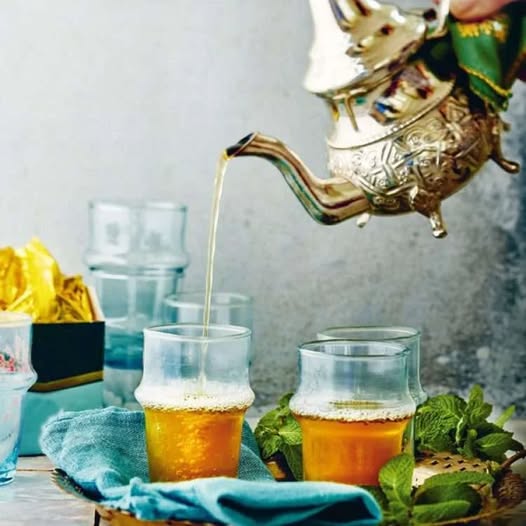
symbol of hospitality and social tradition
With the arrival of Islam, Arab civilization profoundly shaped Moroccan culture. It introduced spiritual, linguistic and artistic dimensions that continue to structure society today. Architecture, calligraphy, medinas and religious traditions illustrate the lasting impact of Arab-Islamic heritage in Morocco.
The Roots of African Civilization
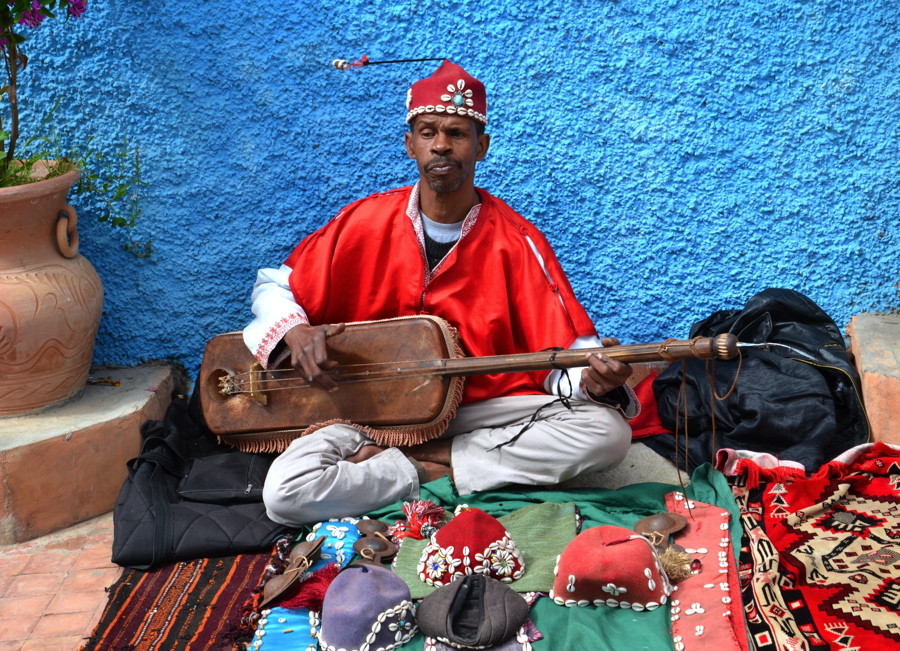
artistic expression and popular heritage
Morocco’s geographical position has fostered deep cultural connections with sub-Saharan Africa. These influences are particularly visible in music, rituals and spiritual practices. Gnawa music, recognized worldwide, embodies this African heritage and plays a key role in Morocco’s cultural identity.
The Refined Heritage of Andalusian Civilization
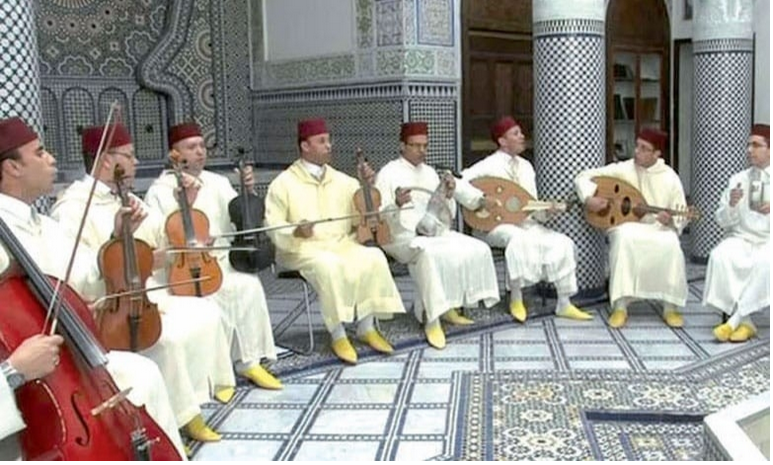
refined musical and cultural heritage
Following the fall of Al-Andalus, Andalusian culture enriched Morocco with remarkable artistic refinement. This legacy is reflected in architecture, zellige tilework, gardens and Andalusian classical music, symbolizing elegance and cultural sophistication.
Mediterranean Openness

global openness and cultural continuity
Morocco’s proximity to the Mediterranean has encouraged centuries of commercial and cultural exchange with Europe and the wider Mediterranean basin. This openness is reflected in the urban landscape of northern cities, culinary traditions and a spirit of cultural dialogue that characterizes contemporary Moroccan culture.
Conclusion
Moroccan culture is a unique mosaic born from the harmonious coexistence of multiple civilizations. It represents a living heritage in constant evolution, combining ancestral traditions with modern creativity. Understanding Moroccan culture means understanding the soul of a country deeply rooted in its history and open to the future.
To fully understand the richness of Moroccan culture, it is essential to explore the history of Morocco, discover Moroccan traditions, and appreciate the Moroccan cultural heritage that forms its foundation.
Moroccan Culture – FAQ
What is Moroccan culture known for?
Moroccan culture is known for its strong sense of hospitality, rich traditions, diverse craftsmanship, and a unique blend of Amazigh, Arab, African, Andalusian, and Mediterranean influences. This diversity is reflected in daily life, architecture, music, cuisine, and social customs.
What civilizations influenced Moroccan culture?
Moroccan culture has been shaped by several major civilizations, including the Amazigh (Berber), Arab-Islamic, African, Andalusian, and Mediterranean worlds. Each has contributed language, traditions, artistic styles, and spiritual values that form Morocco’s cultural identity.
Why is hospitality important in Moroccan culture?
Hospitality is a core value in Moroccan society. Welcoming guests with generosity, mint tea, and shared meals reflects respect, community bonds, and social harmony, values deeply rooted in Moroccan traditions.
What role do traditions play in Moroccan society?
Traditions play a central role in preserving Morocco’s cultural continuity. Religious celebrations, family rituals, music, craftsmanship, and festivals are passed down through generations and continue to shape everyday life.
Is Moroccan culture traditional or modern?
Moroccan culture combines both tradition and modernity. While it remains deeply rooted in ancestral heritage, it constantly evolves through contemporary art, architecture, fashion, and cultural expression, creating a living and dynamic identity.
What languages are part of Moroccan cultural identity?
Morocco’s cultural identity includes Amazigh languages, Moroccan Arabic (Darija), and Classical Arabic. French is widely used in education and business, while English is increasingly present in tourism and international communication.
How does music reflect Moroccan culture?
Music reflects Morocco’s cultural diversity through styles such as Gnawa, Andalusian classical music, Amazigh folk traditions, and contemporary fusion. Each musical form expresses history, spirituality, and regional identity.
Why is Moroccan culture considered a living heritage?
Moroccan culture is considered a living heritage because it is continuously practiced, transmitted, and adapted. Traditions, craftsmanship, social customs, and artistic expressions remain active and meaningful in modern Moroccan life.
Learn more about Morocco’s cultural heritage through official resources such as UNESCO’s World Heritage Centre.