Moroccan culture is shaped by a rich heritage, a long history, and living traditions that define Morocco’s unique identity.
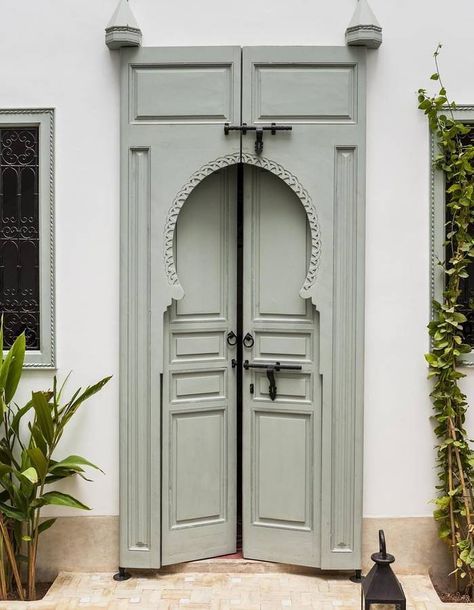
architectural elegance and artisanal heritage at the heart of cultural identity
Discover Morocco’s rich cultural heritage through its long history and living traditions. Shaped over centuries, this cultural identity reflects a unique blend of civilizations and remains one of the strongest foundations of the country’s identity.
Explore the main sections
Recommended articles
Explore Morocco’s cultural identity through these essential articles.
What Is Moroccan Culture?
This cultural identity is the result of a deep and diverse historical heritage…, shaped by Amazigh, Arab, African, and Andalusian influences.
This cultural richness is expressed through traditions, craftsmanship, music, architecture, gastronomy, and everyday lifestyles.
Rooted in history yet open to evolution, Moroccan culture represents a harmonious balance between tradition and modernity.
Cultural Heritage of Morocco
Moroccan heritage includes a wide range of tangible and intangible elements, such as:
- historic medinas and architectural landmarks
- traditional craftsmanship and ancestral know-how
- popular festivals, rituals, and cultural practices
Each region of Morocco has its own customs and cultural expressions, contributing to the country’s exceptional diversity.
👉 Discover more on our dedicated page: Moroccan Heritage
Moroccan Traditions: A Living Identity
Moroccan traditions play a central role in preserving the nation’s cultural identity.
Festivals, moussems, traditional music, social rituals, and everyday customs are passed down from generation to generation, ensuring the continuity of Morocco’s cultural heritage.
These traditions remain deeply embedded in Moroccan society and continue to shape daily life.
👉 Explore further: Moroccan Traditions
A Living Culture Passed Down Through Generations
This living heritage is not frozen in the past. It is a living heritage, constantly evolving while remaining deeply rooted in history.
It continues to influence contemporary creation, modern architecture, artistic expression, and social practices.
This transmission of values, knowledge, and traditions ensures that Moroccan culture remains vibrant and relevant in today’s world.
Conclusion
Exploring Moroccan culture means discovering a rich and diverse identity shaped by history, heritage, and living traditions.
Through cultural heritage, ancestral knowledge, and everyday customs, Morocco offers a unique legacy that deserves to be understood, preserved, and shared.
Moroccan Culture FAQ
What is Moroccan culture known for?
Moroccan culture is known for its hospitality, traditional cuisine, Amazigh and Arab influences, craftsmanship, and a rich mix of African, Mediterranean, and Islamic heritage.
What are common Moroccan traditions?
Common traditions include mint tea ceremonies, family-centered gatherings, traditional clothing like the djellaba, and celebrating religious and cultural festivals throughout the year.
Is Morocco an Arab or African country culturally?
Morocco is both African and Arab culturally. Its identity combines Amazigh roots with Arab-Islamic heritage and strong Mediterranean and Saharan influences.
What languages do Moroccans speak?
Moroccans mainly speak Moroccan Arabic (Darija) and Amazigh languages. Standard Arabic is used formally, French is widely used, and English is growing in tourism and business.
What are the main values in Moroccan culture?
Key values include respect for family, generosity, hospitality, community ties, and preserving traditions through food, crafts, and everyday customs.
Learn more about Morocco’s UNESCO World Heritage sites on the official UNESCO website.