The history of Morocco is one of the richest and most complex in North Africa. Shaped by centuries of cultural exchanges, conquests, and coexistence, Morocco stands as a crossroads between Africa, the Mediterranean, and the Islamic world. From ancient civilizations to the modern nation-state, Moroccan history reflects a strong and continuous identity.
Moroccan history unfolds through several key periods that shaped the country’s identity and cultural heritage.
These major historical phases include:
- ancient Amazigh and Mediterranean civilizations,
- the spread of Islam and the rise of Moroccan dynasties,
- European influence during the colonial period,
- independence and the development of modern Morocco.
Ancient Origins of Morocco
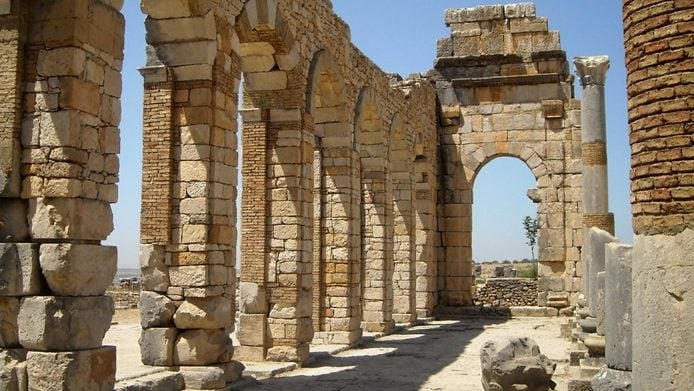
The ancient origins of Morocco and the legacy of early civilizations
The earliest traces of human settlement in Morocco date back to prehistoric times. The Amazigh (Berber) people form the indigenous foundation of Moroccan society. During Antiquity, Morocco established contacts with Phoenicians and later became part of the Roman world, as evidenced by the archaeological site of Volubilis. These early exchanges integrated Morocco into the ancient Mediterranean sphere.
The Arrival of Islam and the Birth of the Moroccan State
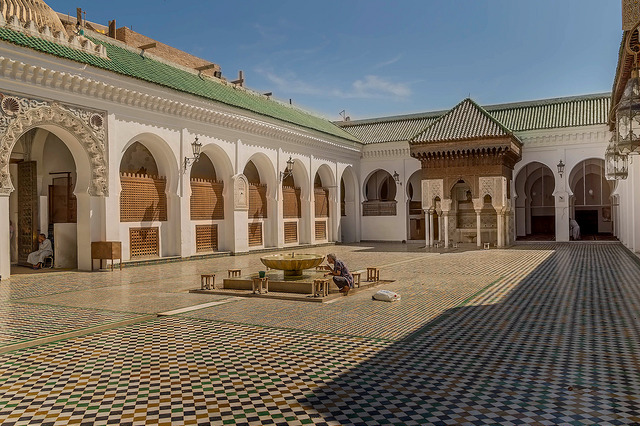
The arrival of Islam and the formation of Morocco’s historical identity
In the 8th century, Islam gradually spread across Morocco. The establishment of the Idrisid dynasty marked the birth of the first independent Moroccan state. Islam became a central pillar of Moroccan society, deeply influencing law, culture, architecture, and political organization, while reinforcing Morocco’s spiritual and cultural unity.
The Great Moroccan Dynasties
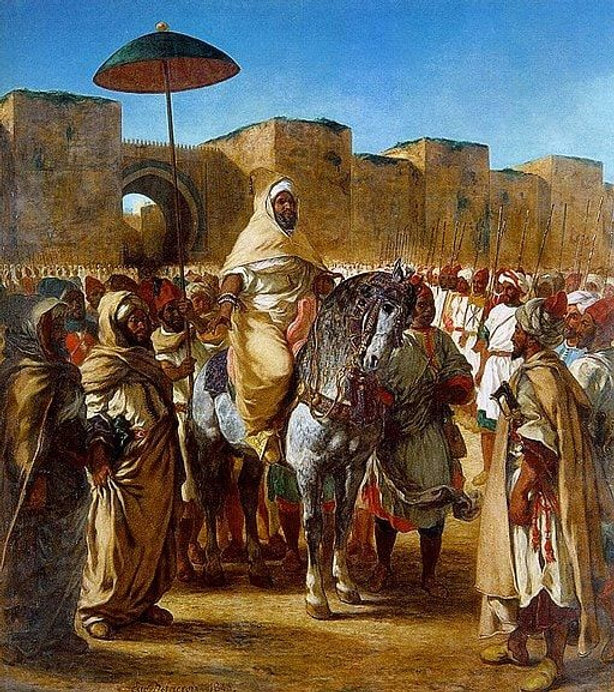
The great Moroccan dynasties and the historical formation of the state
Between the 11th and 17th centuries, Morocco was ruled by powerful dynasties such as the Almoravids, Almohads, Marinids, and Saadians. These periods marked major achievements in architecture, science, and arts. Historic cities like Fez, Marrakech, and Meknes emerged as influential political and cultural centers in the Islamic world.
Morocco and European Influence
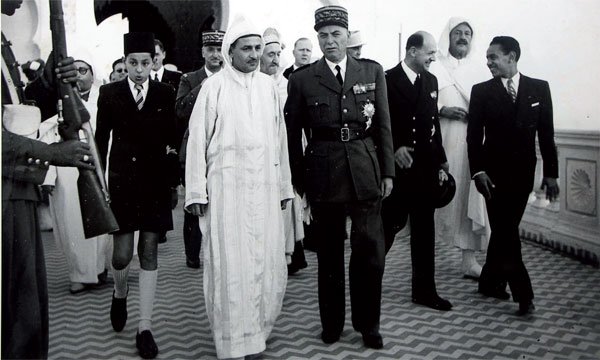
The colonial period and its impact on Moroccan history
From the 19th century onward, Morocco faced increasing pressure from European powers. In 1912, the country became a French and Spanish protectorate. This era brought significant administrative, economic, and urban transformations while also giving rise to strong nationalist resistance movements seeking independence.
Independence and Modern Morocco
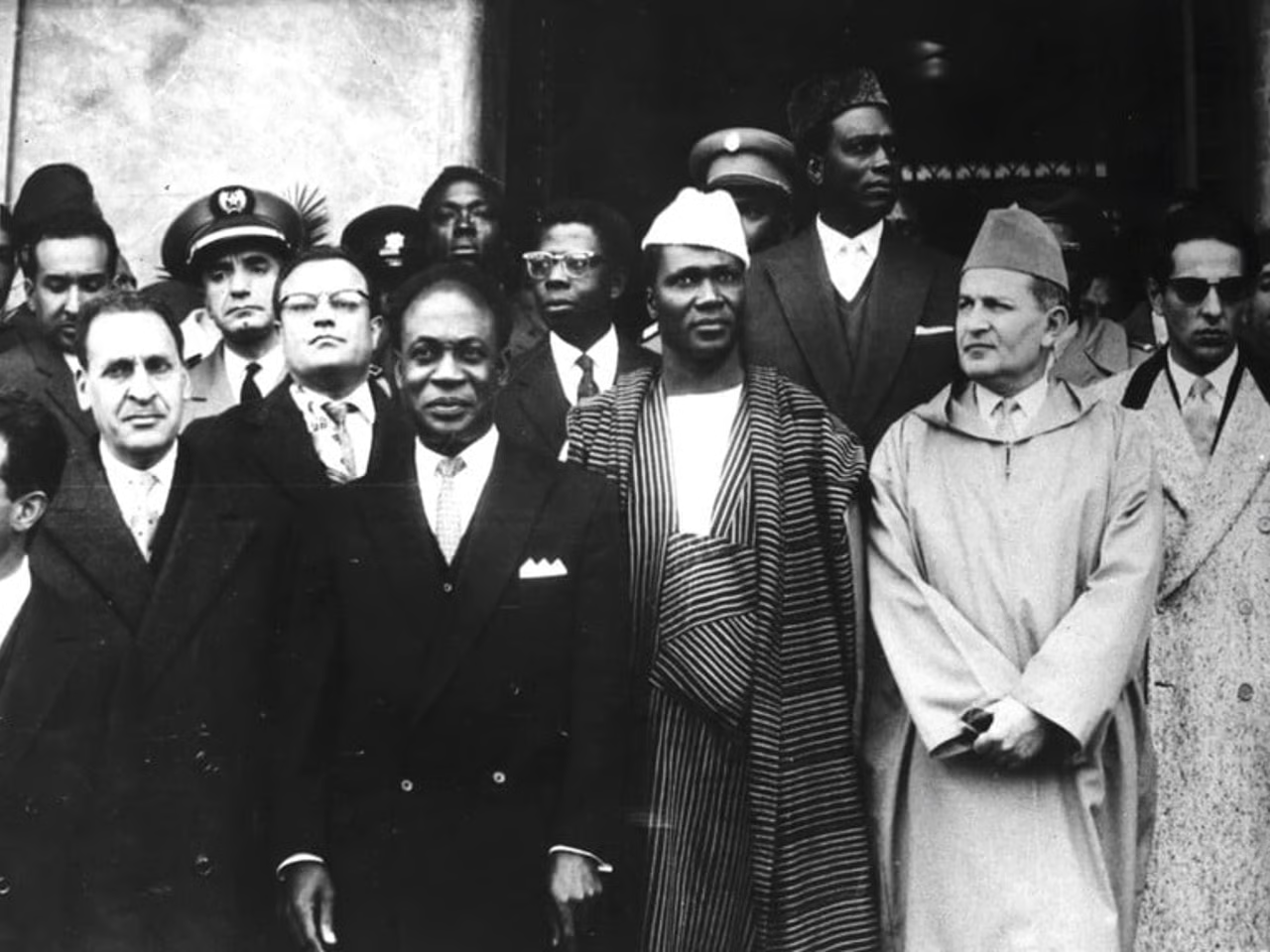
Morocco’s independence and the birth of the modern state
Morocco regained its independence in 1956, opening a new chapter in its history. Since then, the country has pursued modernization while preserving its cultural heritage. Today, Morocco is recognized for its political stability, cultural diversity, and its ability to balance tradition with modernity.
Conclusion
The history of Morocco is the story of a nation shaped by multiple civilizations yet united by a strong and enduring identity. Understanding Moroccan history provides essential insight into its culture, traditions, and heritage, offering a deeper appreciation of Morocco’s past and its vision for the future.
To deepen your understanding, explore Moroccan culture, Moroccan traditions, and Moroccan cultural heritage, all deeply rooted in this long history.
Frequently Asked Questions – History of Morocco
What are the origins of Moroccan history?
The history of Morocco dates back to ancient times, shaped by Amazigh (Berber) civilizations, Phoenician traders, Roman influence, and early Mediterranean exchanges.
Which civilizations influenced Morocco the most?
Morocco has been influenced by Amazigh, Arab-Islamic, Andalusian, African, and European civilizations, each contributing to its cultural and historical identity.
What role did Islamic dynasties play in Moroccan history?
Islamic dynasties such as the Idrisids, Almoravids, Almohads, and Saadians played a central role in unifying Morocco and establishing it as a major political and cultural power.
How did Morocco become a modern nation-state?
Morocco became a modern state through a long process marked by resistance to colonial rule, independence in 1956, and the gradual construction of modern political institutions.
Why is Moroccan history considered unique in North Africa?
Morocco stands out for maintaining a continuous monarchy and a strong cultural identity despite centuries of external influences and historical transformations.
To explore Morocco’s cultural heritage in more depth, several Moroccan traditions and historical elements are officially recognized by UNESCO as Intangible Cultural Heritage of Humanity.